Payment Tokenization in India: How It Works and Why Businesses Use It

Payment tokenization is a technology that replaces sensitive data (card number, expiration date, CVV) with a unique digital token. In India, after the RBI directives (Reserve Bank of India), the use of tokenization became mandatory for storing card data. The growth of digital payment and online commerce makes payment tokenization a key tool of payment security and protection of users’ card details.

Samuel  D’Souza
Samuel D’Souza·Marketing Lead
Updated: June 02, 2026
7 minutes to read
tokenization payments

What Is Payment Tokenization?

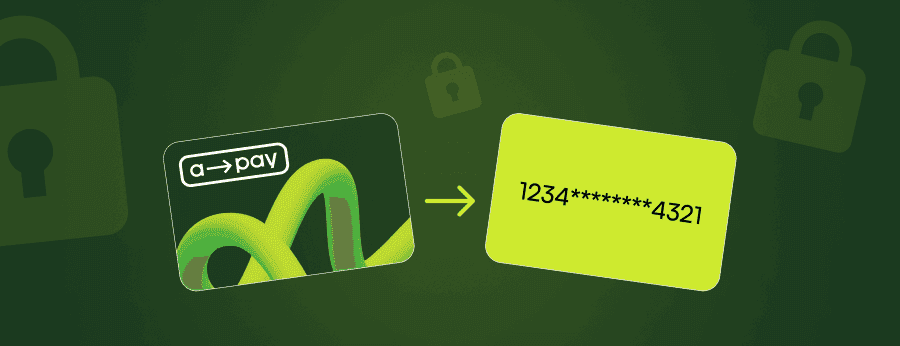
Payment tokenization is the process of replacing real card data with a random set of characters (token) that has no meaning outside a specific transaction. Tokenization explained in simple words: instead of storing the card number in a database, the store receives a “substitute” that is useless to hackers. This enhances security and reduces risk of data breaches.

Tokenization Explained in Simple Terms

Imagine that you buy a product in an online store. You enter the credit card number. The system sends it to the payment processor, which instead of storing the real data creates a unique token — for example, “8f3a9b...”. This token is returned to the seller. On the next purchase, the store uses the token, not the actual card details. If the database is hacked, the attackers will see only useless symbols. This is how tokenization work to protect sensitive payment information.
How Tokenization Works in Digital Payment Systems

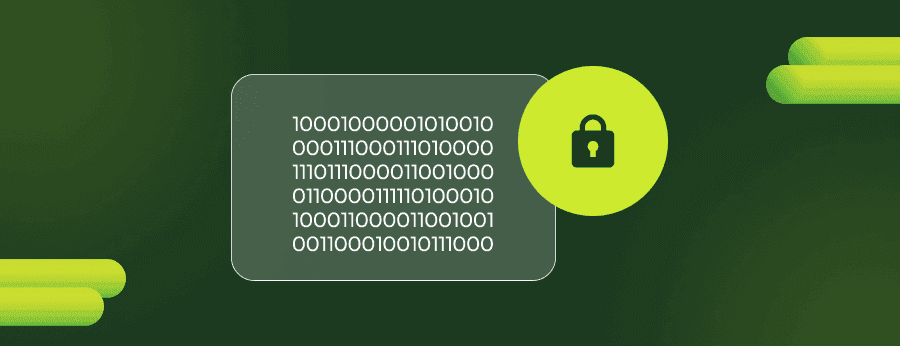
The customer enters card details on the website or in the app.

The payment gateway sends the data to the tokenization service (usually this is the payment system or the bank).

The service creates a token, links it to the real card, and returns the token to the seller.

The seller stores only the token. For repeat payments, it sends the token to the payment system, which identifies the real card by it and charges the funds.

Types of Tokenization in Payment Processing

There are two main type tokenization: network tokens and merchant tokens. They differ in who creates the token and where it is used.

Network Tokens and Merchant Tokens

Network tokens are created by the card network (Visa, Mastercard). They are tied to a specific seller and device. The advantage is that they can automatically update when a new card is issued (for example, when the expiration date ends). Merchant tokens are created by the seller itself or its payment service provider. They are valid only within that store. Network tokens are considered more secure and flexible.

Tokenization and Encryption — Key Differences

Tokenization and encryption are often confused, but these are different payment technologies. Encryption turns data into a cipher that can be decrypted back with a key. Tokenization replaces data with a token that cannot be mathematically turned back into the original data. If the encryption key is stolen, the data can be decrypted. If the token is stolen, without the mapping database it is useless. Therefore, tokenization and encryption are often used together: the transmission channel is encrypted, and tokens are placed in storage.

tokenization payments

Tokenization for Credit and Debit Card Payments

Tokenization for credit and debit card payments is especially important in India. RBI requires that neither sellers nor payment gateways store credit card number in their databases. Instead, they are required to use card tokenization. This applies to both debit card and credit card transactions. For card payments, a token is created that is valid for a specific seller and a specific card. At the same time, the credit card number itself remains only with the card network and the issuing bank.

How Payment Tokenization Works in India

In India, payment tokenization is regulated by RBI. Since January 1, 2022, all sellers that store card data are required to switch to tokenization. An exception is made only for transactions where the customer enters the data every time. This applies to all payment system participants: banks, payment gateway, aggregators.

Step-by-Step Process of Tokenization Work

1

The buyer on the website chooses payment by card and enters credit and debit card details.

2

The payment processor transfers the data to the card network (Visa, Mastercard) or to the tokenization service of the bank.

3

The card network creates a token and returns it to the seller.

4

The seller stores the token instead of sensitive payment data.

5

On the next payment, the seller sends the token to the card network, which finds the real card by it and processes the payment.

Role of RBI and Indian Payment Gateways

RBI issued a directive obliging all payment service provider in India to implement tokenization. The main payment gateway (Razorpay, Paytm, Cashfree, BillDesk) fully support card tokenization. They provide API for creating tokens and their subsequent use. The role of RBI also includes control over compliance with payment card industry data security standard (PCI DSS) and requirements for storing customer payment information.

Ready to Accept Online Payments?

Digital Payment Ecosystem and Token Use

India’s digital payment ecosystem includes mobile payment options (Google Pay, PhonePe), internet banking, digital wallets, and contactless payment (cards and phones). Token use in this ecosystem allows a seamless payment experience: the user does not enter card data on every purchase, but at the same time payment data safe even in case of a leak from the seller’s database. Tokenization enables secure recurring payments for subscriptions and one-click payments for marketplaces.

Benefits of Payment Tokenization

Benefits of payment tokenization are obvious for all participants: customers, sellers, banks.

How Tokenization Enhances Security for Sensitive Data

Tokenization enhances security due to the fact that sensitive data (card number, expiration date) is stored only by the card network and the bank. The seller and the payment gateway see only the token. Even if an attacker gains access to the token database, it will not be able to restore actual card details. This reduce the risk of data breaches and theft of payment information.

Benefits of Payment Tokenization for Businesses and Customers

For businesses: reduction of responsibility for storing card data, simplification of PCI DSS compliance, growth of conversion due to one-click payments, reduction of fraud and chargebacks. For customers: security, convenience (there is no need to enter the card every time), the possibility of recurring payments without the risk of data leakage. Benefits of payment tokenization also include increased trust in online stores.

Reduced Risk in Credit and Debit Card Transactions

Reduced risk is the key advantage. With card payments through tokenization, even if an attacker intercepts the token, it will not be able to use it in another store (if this is a merchant token) or on another device. Network tokens are tied to a specific seller and domain. This reduces fraud and risk of data leaks.

Implementing Payment Tokenization

Implementing payment tokenization requires integration with payment gateway or payment service provider.

How to Implement Tokenization for Online Payments

Choose a payment service provider that supports card tokenization (Razorpay, Paytm, Stripe, Adyen).

Integrate their API for creating tokens during the first payment.

Instead of storing card details in your database, store the token.

For repeat payments, send the token to the payment processor.

Ensure compliance with guidelines for card tokenisation RBI (for example, the requirement of two-factor authentication when creating a token).

Integration with Digital Payment Platforms

Integration with digital payment platforms is simplified due to ready modules. For example, Razorpay provides API for card tokenization with the possibility of storing the token for repeat payments. Stripe uses network tokens automatically. Adyen supports both merchant tokens and network tokens. In India, solutions from Paytm and BillDesk are also popular. Integration allows quick implementation of tokenization without deep changes in the code.

Best Practices for Tokenization Use in India

Use network tokens instead of merchant tokens where possible (they are more secure and update automatically).
Store tokens in encrypted form.
Do not use the token for transactions that do not correspond to its domain or device.
Regularly audit systems for compliance with RBI and PCI DSS.
Inform customers about the security of tokenization to increase trust.

Future of Tokenization in India

Future of tokenization in India is connected with the growth of digital payments and the development of new payment technologies.

Growth of Digital Payments and Token Technology

Growth of digital payments in India is rapid: UPI, mobile wallets, contactless payment. Token technology is becoming the standard for card payments. According to RBI, the number of card tokenization transactions is growing by 30–40% annually. The implementation of tokenization in mobile payment options (Google Pay, Apple Pay) accelerates the transition to a cashless economy.

How Tokenization Shapes the Future of Secure Payments

Replacing the storage of card data with tokens becomes mandatory in all countries, not only in India.

The development of network tokens allows cards with an expired term to be updated automatically, which reduces declines in recurring payments.

Tokenization is integrated with biometric and one-click payments, making payment invisible to the user.

In the future, tokenization may spread to other sensitive data as well (addresses, medical data).

tokenization payments

Frequently Asked Questions