Rethinking The Payments Stack: Benefits Of Multiple Payment Gateways

This guide, released by the A-Pay.One FinTech Architecture Team, clarifies the core logic for selecting payment infrastructure. The industry previously widely held that a single payment processor was sufficient to support merchants in building a global payment network. However, the complexity of modern digital commerce has long outgrown this outdated model. A single payment gateway carries extreme exposure risk: tying all revenue streams to one single service provider. If the gateway suffers a technical outage, it directly interrupts cash flow.

Samuel  D’Souza
Samuel D’Souza·Marketing Lead
Updated: June 25, 2026
5 minutes to read

In addition, this model leads to exorbitant cross-border transaction fees and rigid regional restrictions. To address these pain points, most mainstream enterprise-level merchants deploy multiple payment gateways. This gateway strategy enables merchants to intelligently route each transaction to the most efficient service provider, drastically reduce cart abandonment rates, and fully eliminate the threat of single points of failure. We will elaborate on the API operation logic of how to integrate multiple payment gateways and the upgrade value of a payment orchestration platform.

Key Takeaways: Why Modern Merchants Need More Than One Payment Processor

Outage Resistance: The setup automatically reroutes payment flow traffic to maintain uninterrupted transactions if a single processor fails.
Cost Optimization: Strategic routing integrates with local acquirers to deeply cut cross-border transfer, transaction fees, and currency conversion costs.
Maximum Authorization Rates: Intelligent cascading rules pair bank card BIN codes directly to the gateways with the highest historical approval rates.

What Does It Mean To Use Multiple Payment Gateways And Why Do It?

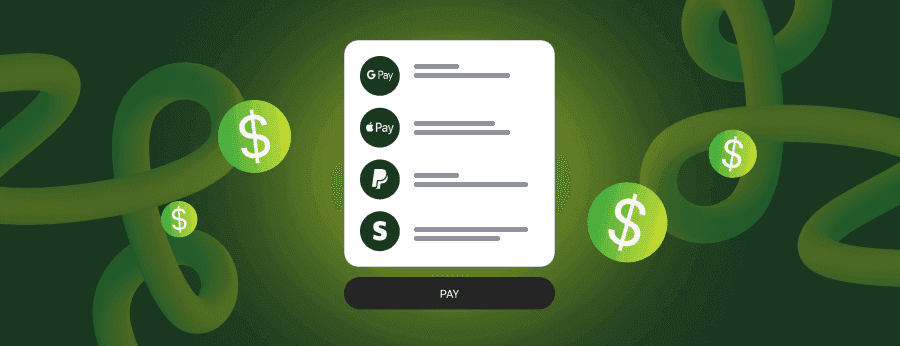
The multi-payment-gateway strategy discards the traditional one payment gateway configuration model. Modern commerce requires deploying a dynamic payment orchestration platform as a central structural layer to connect the checkout page to multiple payment gateways simultaneously. Instead of routing all volume through a single payment gateway, this system automatically dispatches requests to the optimal service provider based on real-time telemetry data, the transaction currency used, and the chosen payment method. This advanced multi-payment gateway strategy framework delivers seamless payment experiences, allowing merchants to retain full control over their backend payment infrastructure.

Multi-Gateway Support And Intelligent Routing Capabilities

Our payment platform’s core engine capability is intelligent payment routing. After a user clicks to initiate a transaction, the payment orchestration platform completes transaction data analysis within milliseconds. It automatically routes transaction requests to specific different payment gateways and acquirers with in-depth banking partnerships. This intelligent gateway integration mechanism maximizes gateway operation performance, drastically reduces transaction fees, and avoids cross-border fines.

Real-Time Visibility, Scalability, And Automated Reconciliation

To address the core pain point merchants face when using multiple payment gateways, a reliable payment orchestration platform must be equipped with real-time data visibility and automated reconciliation. Previously, financial groups manually logged into five different payment gateways to extract data. Our unified backend interface aggregates payment information from all connected different payment gateways into a consolidated payment solution. Finance teams can track payment failures, monitor channel conversion rates, and generate comprehensive reports to ensure accounting accuracy.

Maximizing Global Growth: The Advantages Of Multiple Payment Gateway Partnerships

Successful implementation centers on two core dimensions that unlock the true benefits of multiple payment gateways.

Expand To New Markets Faster And Support Local Currencies

Credit cards remain the primary method in North America, while digital wallets and local bank transfers dominate Asia and Latin America. A single payment gateway limits global conversion by restricting access to a wide range of payment methods. Conversely, a multi-gateway setup rapidly deploys region-adapted different payment methods. This infrastructure also supports integration with mobile channels like Telegram Payments. Merchants can directly accept payments, generate invoices via bots, process subscriptions, and handle secure crypto payments compatible with the network using specialized telegram premium payment methods.

Recover More Revenue With Fallbacks And Cascading Payments

When the primary payment service provider rejects a credit or debit card transaction due to a generic error, the payment orchestration platform immediately intercepts the rejection signal. The system seamlessly initiates a transaction retry via another gateway, preventing immediate cart abandonment. This smart retry mechanism prevents legitimate transactions from being incorrectly rejected by a single payment gateway, creating a fully seamless payment experience.

Ready to Accept Online Payments?

Avoid These Common Mistakes When Integrating Multiple Payment Gateways

Building a stable system to manage multiple providers by using multiple gateways is an unavoidable core task.

The Challenges Of Integrating Multiple Payment Gateways In-House

Self-built manual integration brings series of pain points. The development team’s maintenance workload grows rapidly. Unannounced API changes from underlying payment providers can crash core checkout code. Furthermore, this manual payment development work siphons critical engineering resources away, makes it impossible to accurately track processing transaction fees, and forces the enterprise to meet complex PCI DSS compliance requirements.

How To Avoid The Pitfalls Of Multi-Gateway Selection

Enterprises should not add new payment gateways blindly. Assess the distinct regional strengths and gateway experiences of each payment provider to avoid overlapping weaknesses across different payment gateways. Pairing a diverse array of payment options with a unified payment orchestration platform avoids the technical debt accumulated from manual coding, securely providing multiple payment routing options through a single integration layer.

3 Steps: How To Set Up Multiple Payment Gateways For Your Business

1
Step 1

Analyze user checkout abandonment data to identify high-incidence areas of payment failure. Match the specific various payment methods and circulating currencies required by target regions, focusing on offering multiple payment methods to cover local preferences and popular payment methods.

2
Step 2

Select a mature unified orchestration platform to replace manual point-to-point connections. Use a single API to add or remove any different payment gateway with one click, without modifying core checkout code.

3
Step 3

Conduct comprehensive testing of gateway routing rules, smart fallbacks, and anti-fraud settings within a secure sandbox environment before officially launching to maximize what your payment gateways can offer.

Expert Tip: How Multi-Processor Routing Prevents Fraud Seamlessly

"The unified risk control rules of a single payment gateway configuration often mistakenly block a large number of legitimate cross-border transactions. By contrast, using a payment orchestration platform enables multi-routing capabilities that can allocate high-risk cross-border traffic to specific gateways equipped with region-specific risk control engines, while routing low-risk local traffic to low-fee processors to safely reduce costs." — Chief Solutions Architect, A-Pay.One

List Of Points: Why Upgrade Your Payment Stack With A-Pay.One

Unified API Integration: Connect once via a single API to instantly manage multiple payment gateways.
Smart Transaction Routing: Automatically dispatch every transaction to the most efficient gateway.
Automatic Cascaded Retransmission: Instantly retry failed payments through backup channels.
Unified Multi-Platform Reconciliation: Consolidate financial telemetry for automated reconciliation.
New Alternative Payment Methods: Support for emerging digital workflows.

Frequently Asked Questions