Acquiring Bank: What It Is, How It Works, and Why Your Business Needs One (2026 Guide)
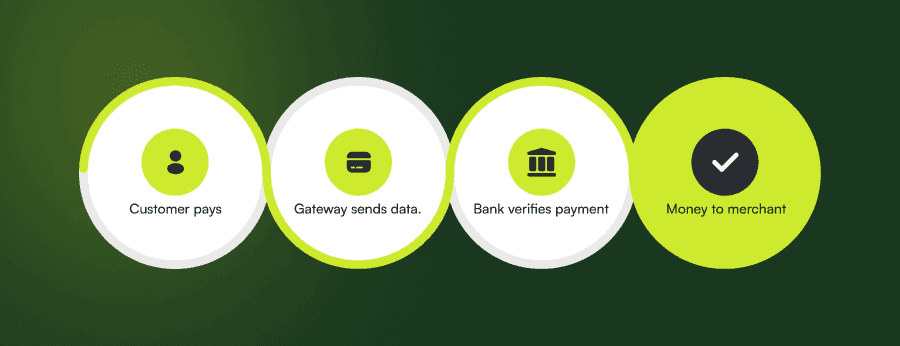
When a customer makes a card payment, an acquiring bank steps in to process the transaction. It verifies the details, communicates with the card network and issuing bank, and transfers the funds to the merchant’s account.
This guide covers three essentials: what an acquiring bank is, how it operates in practice, and what role it plays in the payment ecosystem. Understanding these fundamentals helps merchants see how transactions are authorized, cleared, and settled — and how to select the right acquiring partner.
The acquiring bank acts as the bridge between merchants, customers, and global payment networks. Without it, today’s cashless payment infrastructure could not function.
Samuela D’Souza·Marketing Lead
Updated: June 06, 2026
11 minutes to read
What Is an Acquiring Bank?
An acquiring bank is a financial institution that processes card payments on behalf of merchants. Its main role is to accept payment requests from businesses and ensure that funds from customers’ cards are securely transferred to the merchants’ accounts.
When a customer pays with Visa, Mastercard, or another debit and credit card, the acquiring bank is the merchant’s entry point into this system. It forwards the payment request to the network, communicates with the customer’s bank, and manages the result of the payment transactions: approval or decline.
This makes the acquirer the vital connecting link in the payment chain. For merchants, it enables acceptance of payments both online and in-store. For customers, it ensures that their payments are processed securely. For card networks, it acts as the gateway connecting businesses to the global payment infrastructure.
In short, the acquiring bank is the merchant’s key partner in the payment chain, managing the technical, financial, and security aspects of every card transaction.
Key Responsibilities of an Acquiring Bank
Merchant onboarding
Before a business can accept credit or debit card payments, the acquirer must approve the merchant account. The acquiring bank reviews the company’s documents, business model, and risk profile. Only after this due diligence can the merchant start processing payments.
Transaction authorization and settlement
When a customer makes a payment, the acquiring bank routes the transaction through the card network to the customer’s issuing bank. If the issuing bank authorizes the transaction, the acquirer ensures that funds are settled into the merchant’s account. It applies to both credit and debit card transactions.
Risk and fraud management
The acquiring bank continuously monitors transactions for unusual patterns to detect and prevent fraud. This protects both merchants and customers from potential losses.
Chargeback handling
If a customer disputes a transaction, the acquirer manages the chargeback process by communicating with both the merchant and the issuing bank to resolve the case.
Regulatory compliance
Acquiring banks must also comply with payment regulations such as PCI DSS for data security and AML/KYC requirements for fraud prevention. This ensures transparency and trust within the entire card payment ecosystem.
In practice, these responsibilities mean that the acquiring bank stands behind every transaction, ensuring that the process is secure, reliable, and compliant with global standards.
Real-World Examples of Acquiring Banks
Global acquirers
Banks such as JPMorgan Chase, Bank of America, Barclays, and HSBC have been active in this field for decades. These banks provide acquiring services to thousands of merchants worldwide — from small local stores to international retailers. For buyers, this process usually remains invisible, but for merchants, these banks are the backbone of payment acceptance.
Regional and fintech examples
Alongside traditional banks, new players have entered the acquiring space. Adyen, Worldpay, and Stripe are well-known examples. They often operate in partnership with licensed banks to provide acquiring services. For many online businesses — especially in e-commerce — these fintech companies make it easier to start accepting payments without establishing a direct relationship with a traditional bank.
Together, these examples illustrate how diverse the acquiring landscape is — from long-established financial giants with deep infrastructure to modern platforms focused on speed, flexibility, and digital-first merchants.
How Acquiring Banks Work in the Payment Process
1
Step 1 – The buyer initiates the payment.
The customer enters card details online or taps the card at a payment terminal, triggering the payment request.
2
Step 2 – The merchant’s system sends payment information.
The terminal or checkout page transmits the data to the acquiring bank — the merchant’s direct partner in this chain.
3
Step 3 – The acquirer connects with the card network (often via a processor).
The acquiring bank - usually with a payment processor handling the technical routing - sends the request through the relevant card network (such as Visa or Mastercard) to the issuing bank.
4
Step 4 – The issuing bank makes the decision.
The issuer — the customer’s own bank that issued the card — checks fund availability and transaction legitimacy, then approves or declines the request.
5
Step 5 – The response returns to the acquirer.
The acquiring bank informs the merchant whether the payment was approved or declined.
6
Step 6 – Settlement takes place.
If approved, the acquiring bank ensures that funds are transferred from the customer’s issuing bank to the merchant’s account, usually within a few business days.
Why Both Are Essential: Acquiring Bank vs. Issuing Bank
In every card transaction, two banks play crucial but opposite roles: the acquiring bank (on the merchant’s side) and the issuing bank (on the customer’s side). The payment process cannot work without both.
What is an issuing bank?
An issuing bank is the financial institution that provides the customer’s credit or debit card. It maintains the cardholder’s account, approves or declines each transaction based on available funds or credit, and often initiates chargebacks when a customer disputes a charge.
What is an acquiring bank?
An acquiring bank (or merchant acquirer) partners with the business. It provides the merchant account, routes payment requests through card networks, receives funds from the issuer, and settles them to the merchant after authorization.
The issuer protects the customer’s funds and account; the acquirer ensures the merchant gets paid. Together they balance risk, run fraud checks, and follow rules set by card networks and regulators. Acquirers and issuers are not competitors — they are two halves of one system.
How they compare (and where the processor fits):
Issuing bank
Acquiring bank
Payment processor
Serves
Cardholder (customer)
Merchant (business)
Merchant (technology layer)
Main role
Issues the card; approves or declines payments
Holds merchant account; settles funds to merchant
Routes transaction data between merchant, networks, and banks
Approves the payment?
Yes
No (relays the request and result)
No
Settles funds to the merchant?
No
Yes
No (facilitates the flow)
Typical examples
Chase, Citi, local consumer banks
Barclays, Worldpay, JPMorgan Chase (acquiring)
Often bundled with PSPs such as Adyen or Stripe
For a deeper look at how the acquirer differs from technology-only partners, see the section Acquiring Bank vs. Payment Processor below.
Acquiring Bank vs. Payment Processor
These two entities are often confused because both stand between the merchant and the card networks — but their roles are distinct.
A payment processor is purely a technology service. It transmits the buyer’s card details, routes them through the network, and returns the result of the authorization. Think of it as the technical courier of payment data.
An acquiring bank represents the financial side of the process. It holds the merchant account, receives approved funds from the issuer, and settles them to the merchant. It also assumes responsibility for risk management, chargebacks, and regulatory compliance.
Ready to Accept Online Payments?
Get started with A-Pay today – the payment solution built for growth
Integration of Acquirer and Processor
In the past, merchants typically worked with two separate partners: a processor for the technology and an acquiring bank for the financial side. Today, these roles are increasingly combined into one service.
Companies such as Stripe and Adyen now hold acquiring licenses while also providing processing technology. This allows merchants to sign a single agreement and receive both: a technology platform for routing transactions and a bank-grade service for holding and settling funds.
Modern providers use APIs and payment gateways as a bridge between technology and finance. The API transmits transaction data from the merchant’s checkout directly into the processor’s system, which is already linked to the acquiring bank’s accounts.
This integration reduces complexity for merchants, shortens time to market, and makes card acceptance operate as a single, unified service.
Common Acquirer Fees
Setup fee - a one-time charge to open the merchant account and connect it to the acquiring system.
Discount rate / interchange fee - the main percentage charged on each transaction. It includes card network costs (interchange) and the acquirer’s margin.
Authorization fee - a small fixed charge applied each time a buyer’s card is authorized, even if the payment is declined.
Chargeback fee - an additional fee applied when a customer disputes a transaction and the acquirer manages the resolution process.
Monthly account maintenance fee - a recurring cost for keeping the merchant account active and providing reporting and support tools.
Factors That Influence Pricing
Merchant risk profile: industries typically pay higher fees.
Transaction volume: large merchants often negotiate lower rates thanks to higher processing volumes.
Business type and geography: local merchants may pay less than cross-border e-commerce businesses.
Currency and cross-border operations: processing foreign currencies and international transactions adds conversion and network costs.
Regulation, Compliance, and Risk Management
Acquiring banks operate under strict regulatory frameworks because they handle both money and sensitive customer data. Their role extends beyond fund transfers — they also safeguard the payment ecosystem against fraud, money laundering, and misuse.
Security Standards:
PCI DSS — every acquiring bank must comply with the Payment Card Industry Data Security Standard, which defines requirements for securely storing, processing, and transmitting cardholder data.
KYC and AML policies — during merchant onboarding, the acquirer verifies business documents, ownership structure, and potential risk factors. These checks help prevent money laundering, terrorist financing, and other illegal activities.
Fraud Prevention Tools
Transaction monitoring
continuous, automated analysis to detect unusual or suspicious payment patterns.
Tokenization and encryption
replacing real card numbers with secure tokens so sensitive data is never exposed during processing or storage.
Chargeback management systems
dedicated platforms that help merchants track, respond to, and reduce chargeback cases.
Role in Disputes and Chargebacks
If a buyer disputes a payment, the acquirer acts as the merchant’s representative in communications with the card network and issuing bank. It must follow defined procedures and strict deadlines set by the schemes.
For merchants, best practices include maintaining clear transaction records, using advanced fraud filters, and responding to disputes promptly. Close cooperation with the acquirer minimizes financial losses and helps maintain trust with both customers and card networks.
How to Choose the Right Acquiring Bank for Your Business
1
Evaluate Supported Payment Methods
Check whether the acquiring bank supports the payment options your buyers expect — such as credit and debit cards, digital wallets, and recurring payments for subscriptions.
2
Check Global Reach and Currency Support
If you sell internationally, choose an acquirer that can process cross-border transactions and settle in multiple currencies. This reduces friction for customers and minimizes foreign exchange costs.
3
Review Integration and API Support
Modern acquiring banks and PSPs offer APIs and plug-ins for seamless connection to payment gateways and e-commerce platforms. A straightforward integration enables faster time to market.
4
Analyze Pricing Transparency and Contract Terms
Review the full fee structure — transaction rates, chargeback costs, setup or monthly fees, and any hidden charges. A transparent contract helps you avoid unexpected expenses.
5
Assess Risk Management and Compliance Capabilities
Your acquirer or payment service provider should offer real-time fraud monitoring, card-data security aligned with industry standards (including PCI DSS where applicable), and robust onboarding checks - including KYC and AML procedures. These safeguards protect both the merchant and the customer.
6
Look for Merchant Support and Reporting Tools
Reliable acquirers provide real-time dashboards, analytics, and 24/7 customer support. These tools help merchants track performance, monitor settlements, and resolve issues quickly.
Leading Acquiring Banks and Providers
JPMorgan Chase
one of the largest global acquirers, serving merchants across industries with strong infrastructure and deep integration into the card networks.
Worldpay
a long-standing leader in payment processing and acquiring, known for its global reach and support for multiple currencies.
Barclays
a major UK bank with a strong acquiring division, widely used by European retailers and online merchants.
Adyen
a Dutch fintech that combines processing and acquiring in one platform, offering merchants direct connections to global payment methods.
Stripe
a technology-first provider that acts as both processor and acquirer (in select regions), simplifying online payment acceptance through APIs.
PayPal (via partner acquirers)
works behind the scenes, giving merchants access to both PayPal wallet and card payments through partner acquiring relationships.
Why Acquiring Banks Are Essential for Businesses
1. Enable Payment Acceptance
Without an acquirer, a merchant cannot connect to Visa, Mastercard, or other card networks. The acquirer is the entry point into global payments.
2. Manage Payment Settlements and Refunds
The acquirer ensures that funds move from the client’s issuing bank to the merchant’s account and also handles refunds when buyers return purchases.
3. Reduce Risk Through Monitoring
By checking transactions in real time, acquirers help detect fraud, unusual behavior, and other risks that could harm both merchants and clients.
4. Provide Merchant Support and Stability
From onboarding to daily operations, acquirers give merchants tools, dashboards, and support services that keep payment systems running smoothly.
5. Ensure Compliance and Legal Protection
Acquiring banks enforce industry standards like PCI DSS and KYC/AML rules, shielding merchants from regulatory breaches and penalties.
Future of Acquiring Banks (2026 and Beyond)
Acquiring is shifting from traditional banks to more flexible, digital-first models. Embedded finance and fintech-led acquirers – Stripe, Adyen, make payment acceptance part of wider business platforms. AI fraud detection and open banking are adding new layers of security and speed.
At the same time, real-time payments and stricter regulation push acquirers to evolve. In 2026 and beyond, they are less just “banks for card payments” and more full-service partners combining finance, technology, and compliance.
Conclusion
Acquiring banks are the bridge that connects merchants to card networks and clients. They enable card acceptance, manage settlements and refunds, reduce risks, and ensure compliance.
Choosing the right acquirer can directly influence growth and reliability. By comparing providers on fees, global reach, technology, and support, merchants can find a partner that fits their needs and strengthens long-term business performance.
Frequently Asked Questions
It’s the merchant’s bank — a financial institution that provides merchant services to businesses. It processes debit and credit card transactions and deposits the funds into the merchant’s account.
The acquiring bank (or merchant acquirer) holds the merchant account and manages funds, while the processor provides the technology that allows businesses to accept payments and route data through credit card networks.
Merchant banks charge a merchant discount rate on every credit card transaction and may add other fees, such as monthly account fees or chargeback fees, for providing services to businesses.
Not if you want to accept card payments. Merchants need an acquiring bank — or a payment facilitator acting in that role — to process credit and debit card transactions securely.
Choose one that supports multi-currency credit card networks and global acquiring services. Providers like Adyen or Worldpay allow businesses to accept payments from multiple countries and currencies.
Compare how each merchant acquirer handles setup, supported payment methods, and fees. Look at integration options, fraud tools, and the ease of setting up merchant accounts before you decide.
You’ll lose the ability to process credit and debit card sales until you find a new provider. In some cases, banks also may consider you a higher-risk merchant when setting up merchant services again.